Data Protection in Switzerland: A Strategic Guide for Swiss PMEs

In Geneva and across Switzerland, data security is no longer just a "tech issue", it's a pillar of business continuity. For small and medium-sized enterprises (PMEs), protecting sensitive information is the foundation of client trust and competitive advantage.
Below is our refined guide to securing your digital assets without overcomplicating your operations.
Why Data Sovereignty Matters in Geneva
In our local ecosystem, data protection is more than a legal checkbox. It is your "secret sauce." PMEs face increasing risks of ransomware and data leaks that can lead to heavy financial penalties and irreparable reputational damage.
Client Data: Your most valuable intangible asset.
Proprietary Knowledge: Your internal methodologies must remain yours.
Trust: Partners today demand proof of security before signing contracts.

Five Steps to Strengthen Your Cyber-Resilience
Security starts with a culture of vigilance. Here is how to build a "Swiss-quality" defense:
Continuous Team Training: Human error remains the #1 entry point for breaches. Move beyond one-off training to continuous awareness regarding phishing and password hygiene.
The 3-2-1 Backup Rule: Maintain 3 copies of your data, on 2 different media, with 1 copy located off-site (ideally in a secure Swiss data center).
Encrypted Productivity: Use end-to-end encryption for sensitive communications.
Zero-Trust Access: Apply the "Principle of Least Privilege." Only employees who need specific data to perform their roles should have access to it.
Proactive Patching: Vulnerabilities are discovered daily. Automate your system updates to close doors before hackers can find them.
The Legal Framework: Understanding the nLPD
Since the implementation of the New Federal Act on Data Protection (nLPD), Swiss laws are among the strictest in the world. Compliance is mandatory for all PMEs. Key requirements include:
Privacy by Design: Integrating data protection from the start of every project.
Transparency: Clearly informing users how their data is processed.
Prompt Reporting: Legal obligations to report significant data breaches to the FDPIC (Federal Data Protection and Information Commissioner).
Helpful Resource: For official guidelines, visit the FDPIC Official Site.

Common Pitfalls to Avoid
Static Governance: Relying on old "Confidential" labels that AI or modern malware can bypass.
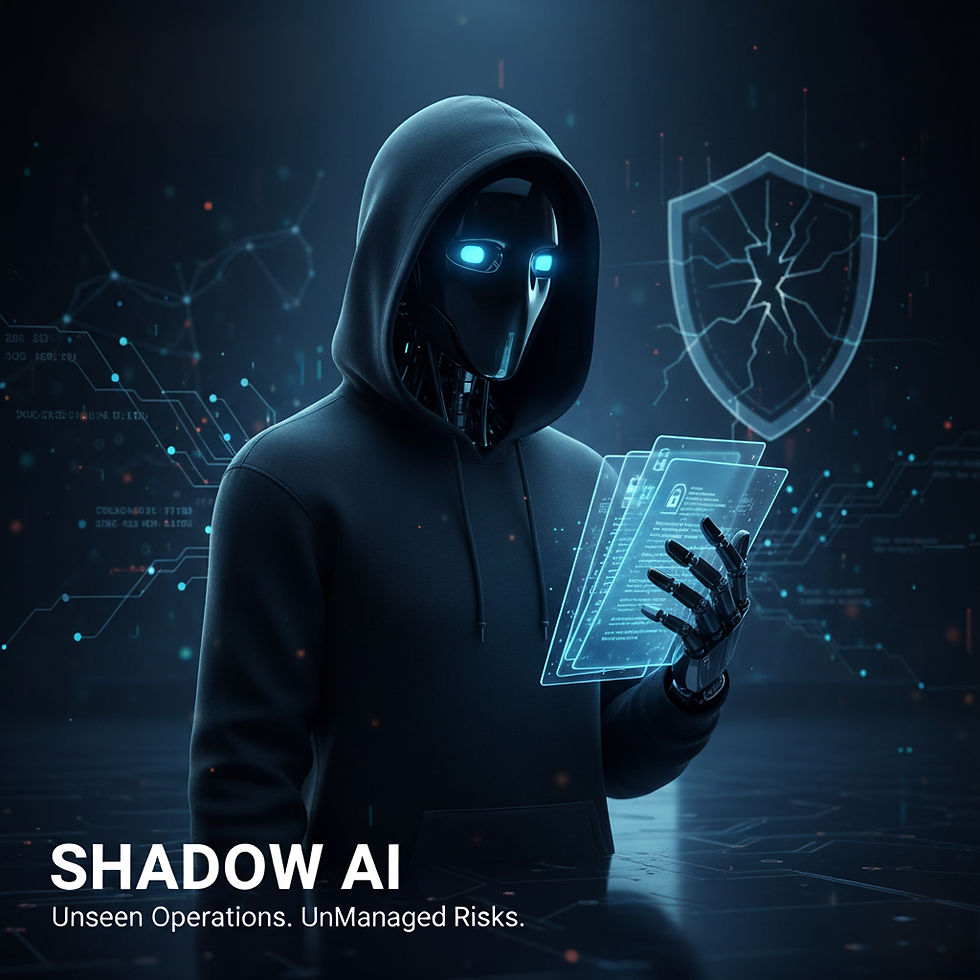
"Shadow IT": Employees using free, unvetted AI tools or file-sharing sites that leak data into public LLMs.
Single-Layer Security: Relying solely on a firewall. Resilience requires a multi-layered approach.
How ConfiGPT Secures Your Future
At ConfiGPT, we provide more than just an AI tool; we provide a Managed Private AI environment. We help Swiss PMEs innovate while staying fully compliant with Swiss standards.
Sovereign Infrastructure: Your data stays in Switzerland, processed in isolation.
Expert Guidance: We simplify complex nLPD requirements into actionable AI workflows.
Zero Leakage: Unlike public GPT services, your queries never train a global model.
Interested? Get in touch with us!
Copyright (c) 2026 OCIM Cybersécurité Informatique. All rights reserved.